Medical exams can be a stressful experience, but with the right approach, you can maximise your performance and demonstrate your knowledge effectively. Here are our top tips on how to best approach the day of your big exam. These tips will help you confidently tackle your exam paper, drawing on expert strategies and best practices.
Pre-Exam Preparation
- Get a good night’s sleep
Ensure you are well-rested the night before the exam. Sleep is crucial for cognitive function and memory recall, and a good night’s sleep is far more important than all-night studying!
- Eat a balanced breakfast
Have a nutritious meal to fuel your brain and maintain energy levels. Avoid heavy or sugary foods that might cause a mid-exam crash.
- Gather your materials
Double-check that you have all the necessary materials: pens, pencils, erasers, a watch, and any allowed reference materials. If it is a clinical exam, ensure that you are dressed appropriately for the setting and have a stethoscope, tendon hammer, ophthalmoscope and any other equipment you might need.
- Arrive early
Get to the exam venue early to settle in and reduce pre-exam anxiety. Use this time to relax and mentally prepare. Make sure you leave extra time for your journey so that you have extra time in case of traffic problems or unforeseen delays.
Exam Strategy
- Read instructions carefully
Carefully read all the instructions on the exam paper before looking at the questions or entering a station. Ensure you understand the format and requirements. Marks are often lost by nervous or over-confident candidates who have overlooked vital information at the start of an exam!
- Preview the exam paper
Skim through the entire exam paper to get an overview of the questions and their layout. This will help you plan your time effectively and understand what is required of you.
- Allocate your time wisely
Divide your time based on the marks assigned to each section. Leave a few minutes at the end to review your answers.
- Start with what you know
Begin with questions you are most confident about. This will boost your confidence and secure early marks.
- Read each question thoroughly
Carefully read each question to understand what is being asked. Look for keywords and underline any key information in the question text. Marks are easily lost by misreading questions, and this is an easily avoidable mistake. Ensure you answer all parts of the question.
- Plan your answers
For essay or long-answer questions, outline your main points before you start writing. This ensures a coherent and structured response.
- Answer questions strategically
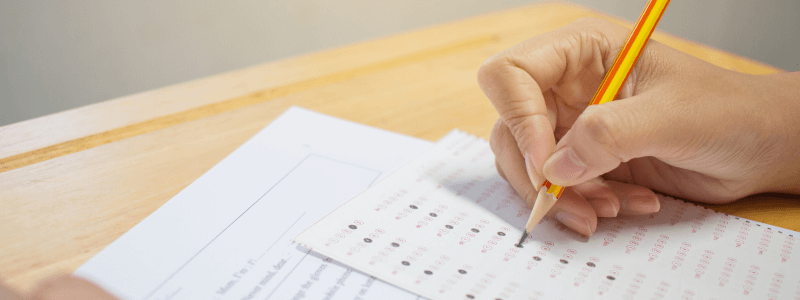
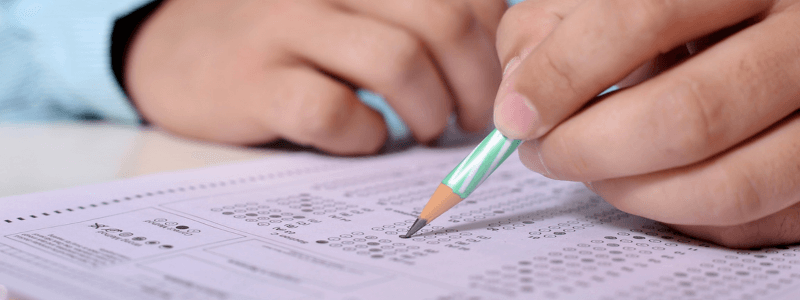
For multiple-choice or SBA questions, use the process of elimination to narrow down options. There are often at least one or two highly unlikely or obviously incorrect options and then one or two plausible answers. Cross out and eliminate the obviously incorrect answers so that you have narrowed your choices. For written answers, be clear and concise and ensure your handwriting is neat and legible.
- Keep an eye on the clock
Regularly check the time to ensure you are on track. If you find yourself spending too much time on a single question, move on and come back if time permits.
- Review your answers
Review your answers to check for any mistakes or omissions if time allows. Ensure all questions are answered; partial marks can make a difference even if you are unsure.
Handling Exam Stress
- Stay calm and focused
Take deep breaths if you feel anxious. Staying calm helps you think more clearly and recall information more effectively.
- Stay positive
Maintain a positive mindset. Remind yourself of your preparation and capabilities.
- Take short breaks if needed
If allowed, take short mental breaks to stretch or relax your mind. This can help reset your focus.
After the Exam
- Reflect on your performance
Once the exam is over, take a moment to reflect on how you did. Identify what strategies worked well and what could be improved for future exams.
- Avoid post-exam analysis
Avoid discussing your answers with peers immediately after the exam. This can lead to unnecessary stress and second-guessing.
Conclusion
Approaching your exam paper with a clear strategy can significantly enhance your performance. By preparing well, managing your time effectively, and maintaining a calm and focused mindset, you can tackle your exam with confidence. Remember, exams are an opportunity to showcase your knowledge and skills. Trust in your preparation and give it your best.
Good luck with your exams!